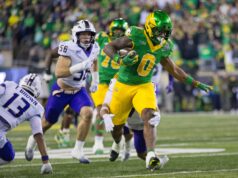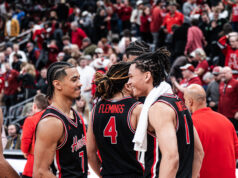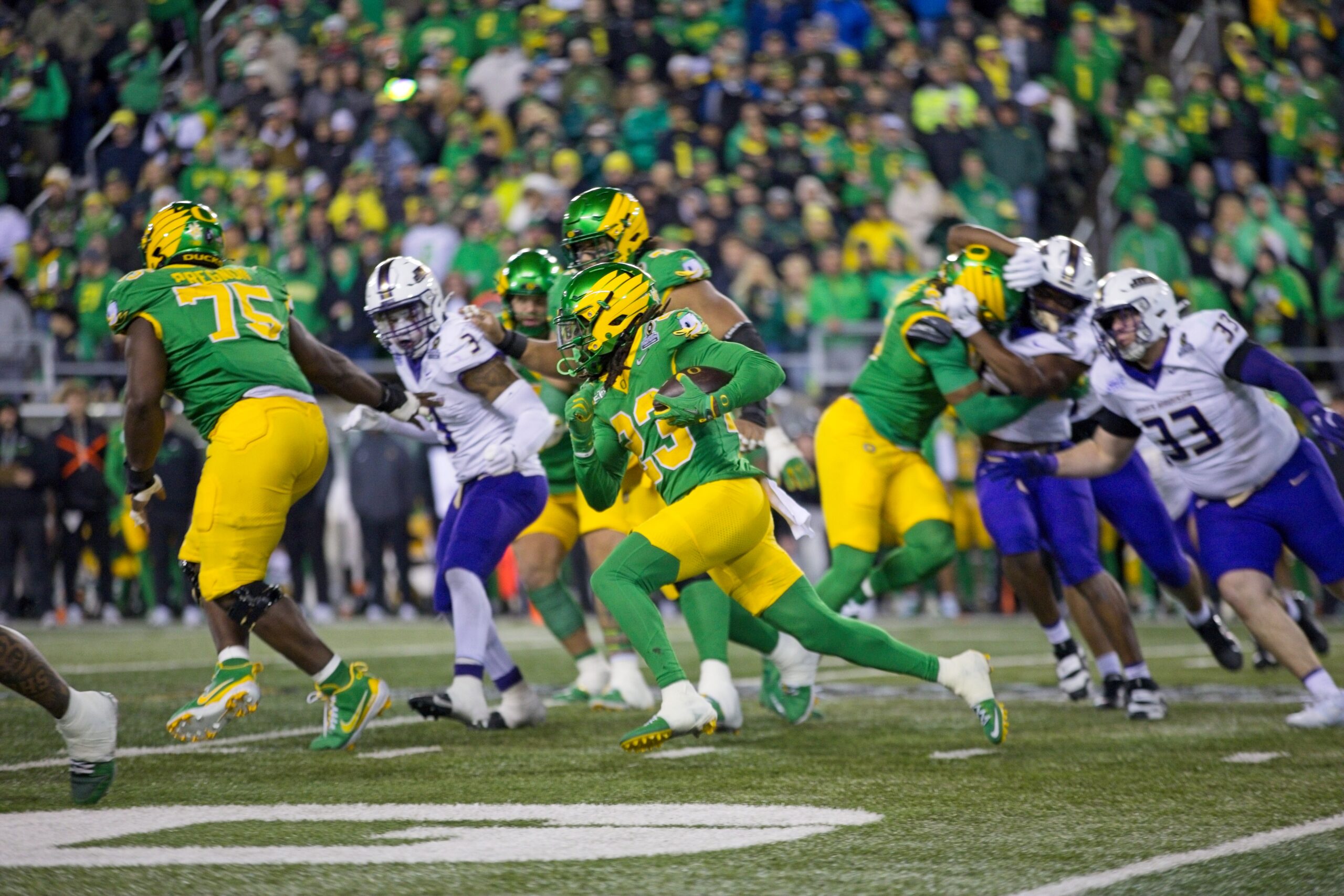
New York, NY—Black American athletes have not just participated in U.S. sports — they have defined it. From tennis courts to football fields and basketball arenas, Black excellence built the stardom, profitability, and global influence that American sports enjoy today. Yet while leagues celebrate diversity on the field, a glaring contradiction remains off it: Black independent media outlets are still routinely denied access to cover the very athletes and leagues that look like them.
This isn’t rhetoric. It’s history, numbers, and power.
Black Athletes Built the Modern Sports Economy
Tennis
Before Serena and Venus Williams became global icons, Althea Gibson shattered barriers in a sport that never intended to welcome her. Serena Williams alone helped drive television ratings, sponsorship value, and pay equity conversations worldwide. Black women remain central to American tennis visibility despite being a small share of overall participation.
NFL
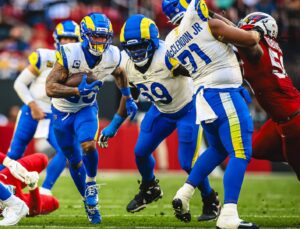
The National Football League is over 67% Black by player demographics, and it generates more than $18 billion annually. From MVP races to prime-time matchups, Black quarterbacks and skill players power the league’s modern identity and revenue engine.
NBA
The NBA is approximately 74% Black, making it the most racially homogeneous major professional league in the U.S. Its global reach — sneakers, social media, pop culture — is inseparable from Black American influence.

Leagues That Got It Right — and Those Still Catching Up
It’s important to be clear: not every league is failing.
Organizations like the NHL, MLB, the WNBA, and MLS have made meaningful strides toward inclusive credentialing. These leagues, while not perfect, generally demonstrate openness to independent outlets, diverse ownership, and community-based media voices. They understand that inclusion off the field strengthens the product on it.
By contrast, the NFL, the NBA, UFC, many bowl games, and some universities still have a long way to go. Credentialing policies in these spaces are often inconsistent, opaque, and subject to sudden rule changes that disproportionately impact Black independent publications.
The Credentialing Contradiction
Here lies the uncomfortable truth:
Black athletes are celebrated.
Black culture is monetized.
But Black media ownership is policed, restricted, and dismissed.
Independent Black outlets are routinely told they are “not established enough,” must meet newly invented criteria, or lack affiliations that were never required before. Meanwhile, legacy outlets with shrinking readerships often receive automatic approval.
The message is unmistakable:
Entertain us. Promote our leagues. Amplify our stars. But don’t expect equal access.

A History We’ve Seen Before
This moment echoes the experience of Wendell Smith, the pioneering journalist who covered Jackie Robinson while battling segregation and restricted access himself. Smith wasn’t just documenting history — he was fighting to be allowed to witness it.
Decades later, the slogans are more polished and the leagues are richer, but the gatekeeping mechanisms remain strikingly familiar.
When Black independent media speaks up about inequitable credentialing, the response is often silence — or worse, quiet retaliation. Outlets are labeled “difficult,” excluded without explanation, or effectively blackballed for challenging the system.
Why Self-Governance Keeps Inequality Alive
Allowing teams, bowls, and universities to govern their own credentialing without oversight is the core problem. There is no standardized enforcement, no transparent appeals process, and no protection against retaliation.
If equality were truly a priority, leagues would:
Standardize credentialing rules across all events
Track and report diversity in media access
Establish independent review and appeals panels
Protect independent outlets that raise concerns
Until then, diversity remains performative, not structural.
The Cost of Ignoring the Problem
This is bigger than press passes. It’s about who gets to tell the story, who controls historical record, and who benefits long-term from access and opportunity.
Black independent publications are not asking for special treatment.
They are demanding fair, consistent, and transparent standards.
Until the NFL, NBA, bowl games, and certain universities confront the contradiction of celebrating Black excellence on the field while restricting Black access off it, the promise of equity in American sports will remain unfulfilled.
History has shown us what happens when these warnings are ignored.
And history is watching — again.